INNMEDSCAN Hosts International Workshop on Next-Generation Photodetector Manufacturing
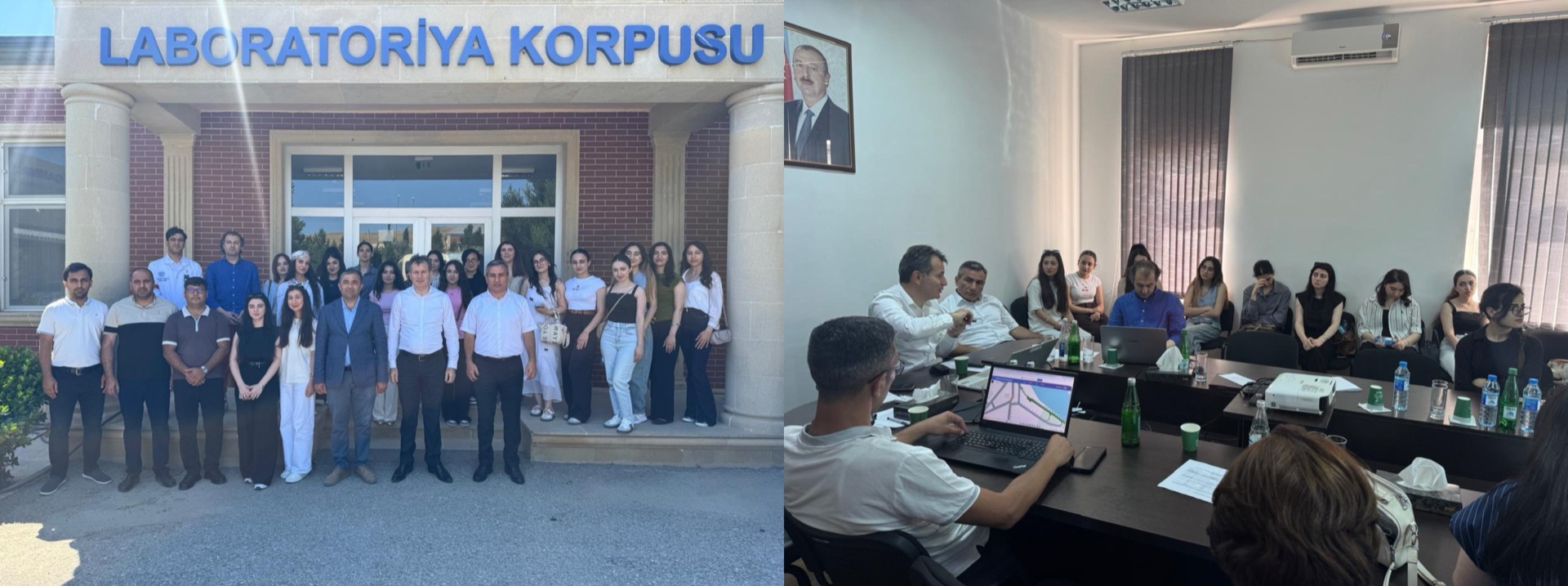
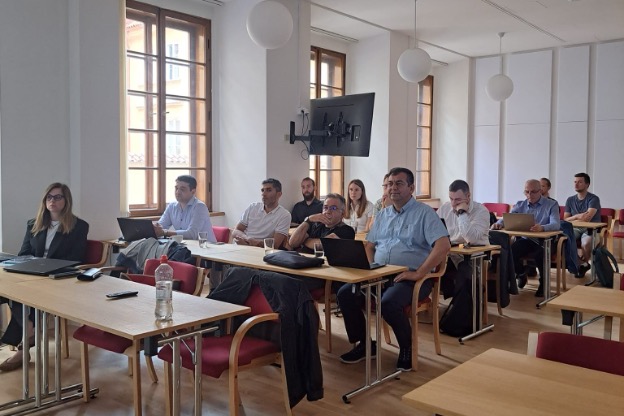
On 26 June 2026, the INNMEDSCAN project organised an
international technical workshop in Azerbaijan, in
collaboration with the Horizon Europe DETMED project,
bringing together consortium members and industrial
partners to discuss the transition of innovative
photodetector technologies from research to industrial
manufacturing.
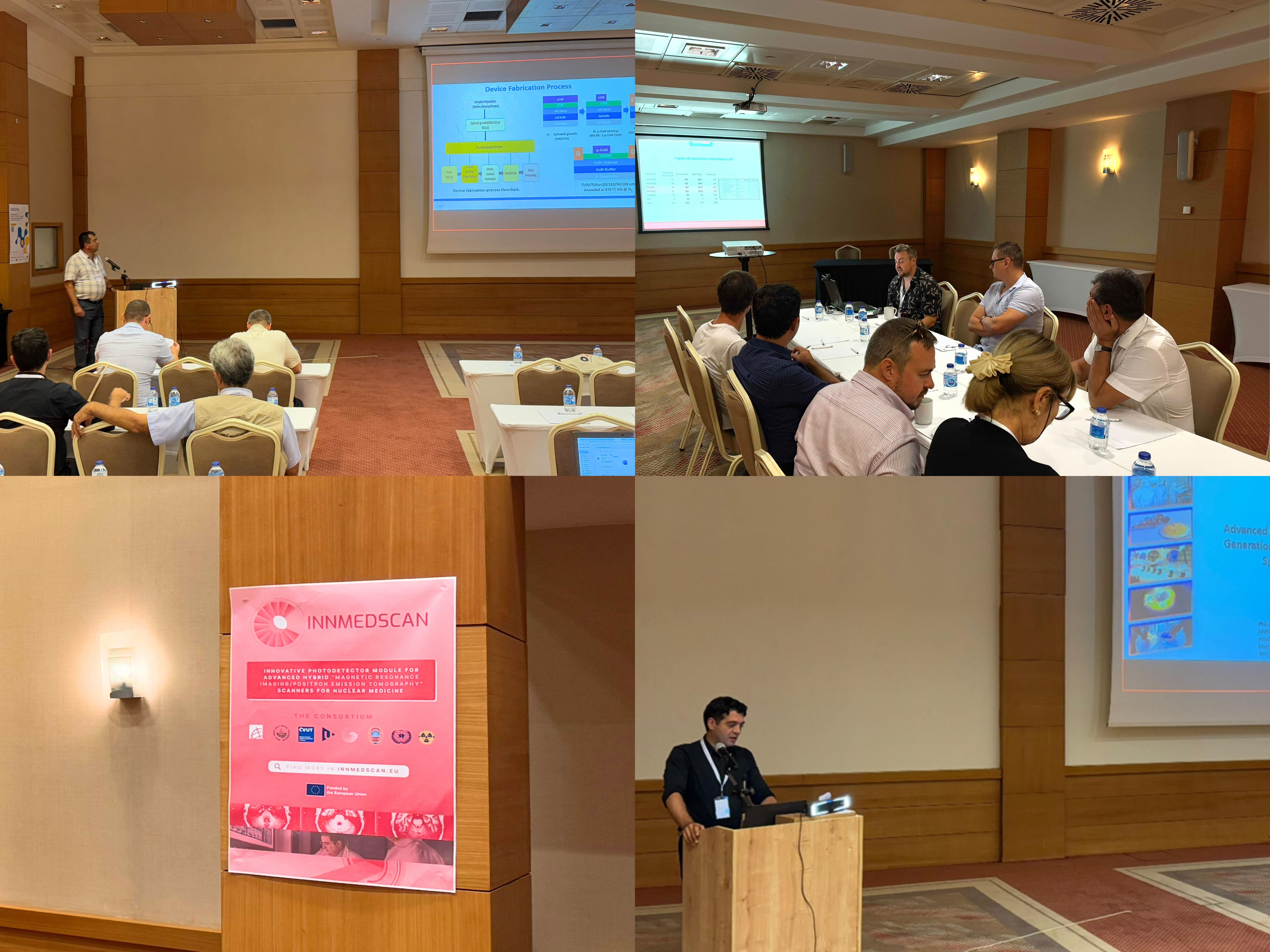
The workshop focused on the production of advanced
silicon photodetectors based on patented technologies
developed within the project consortium. Discussions
explored strategies for integrating these innovative
designs into industrial manufacturing, supporting the
development of next-generation solutions for medical
imaging, nuclear instrumentation and scientific
research.
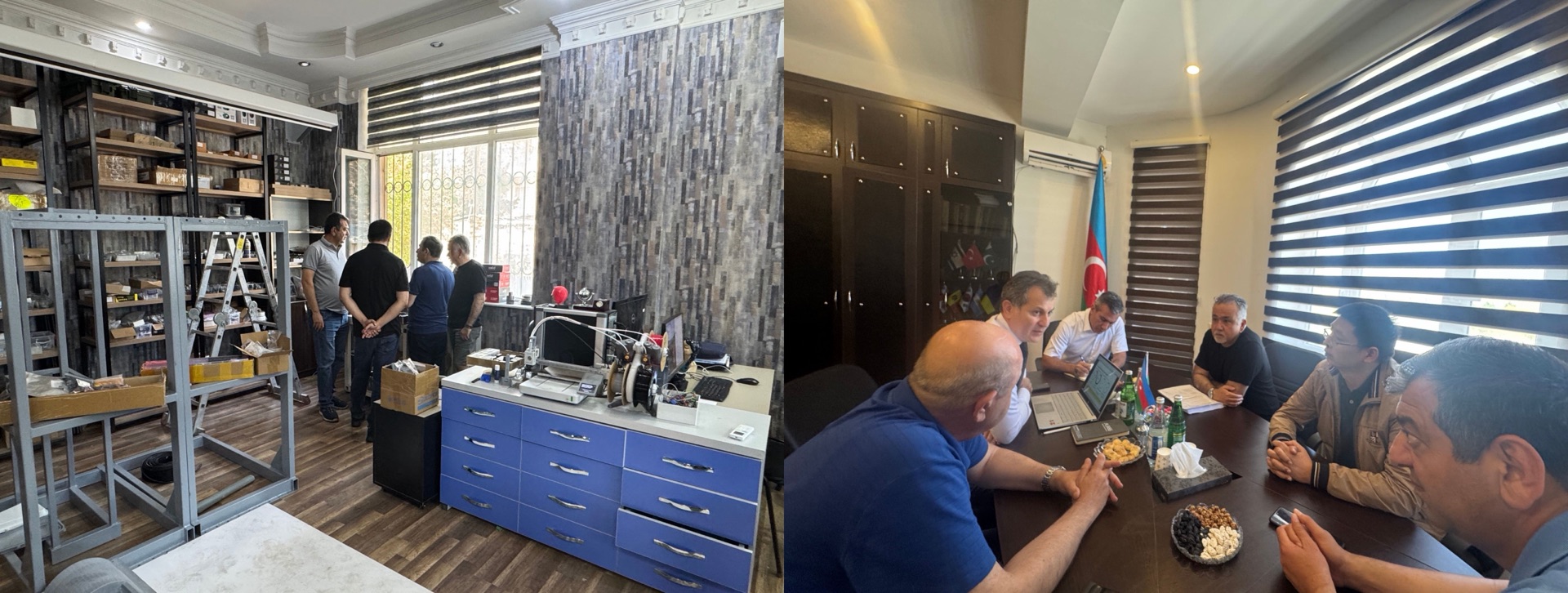
Representatives from the Azerbaijani partners SETM, the
Nuclear Research Department (NRD) and the Institute of
Radiation Problems (IRP) were joined by experts from
Bolu Abant İzzet Baysal University (BAIBU, Türkiye), IST
Micro (Türkiye) and Intel Well Electronics Technology
(China). The workshop provided an important platform for
strengthening collaboration between research
organisations and industrial manufacturers, fostering
knowledge exchange and promoting the industrial uptake
of cutting-edge detector technologies.
Participants reviewed the complete manufacturing
workflow, covering fabrication technologies, process
optimisation, wafer processing, packaging solutions,
quality assurance and production scalability. The
meeting also included an assessment of previously
manufactured photodetector prototypes, helping to
identify technical challenges and define engineering
solutions to further improve detector performance,
manufacturing yield and long-term reliability.
The workshop represents an important milestone for the
INNMEDSCAN project, reinforcing its commitment to
accelerating the transfer of innovative photodetector
technologies towards industrial implementation. By
strengthening collaboration with international research
organisations and manufacturing partners, the project
continues to advance the development of next-generation
photodetector modules for hybrid PET/MRI systems while
contributing to the translation of research excellence
into real-world technological innovation.